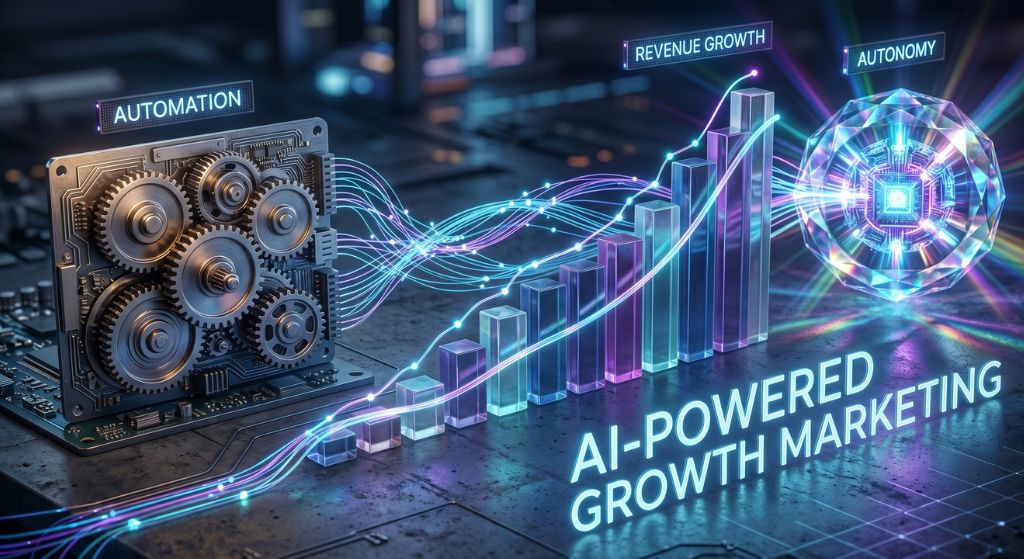
In 2026, AI-powered growth marketing has transcended simple A/B testing. We now operate in an era of autonomous marketing orchestration, where machine learning models don’t just suggest changes—they execute real-time optimizations across the entire funnel. At Infineural, we define this evolution through three core pillars: Predictive Acquisition, Hyper-Personalized Retention, and Algorithmic Brand Equity.
Predictive Customer Acquisition
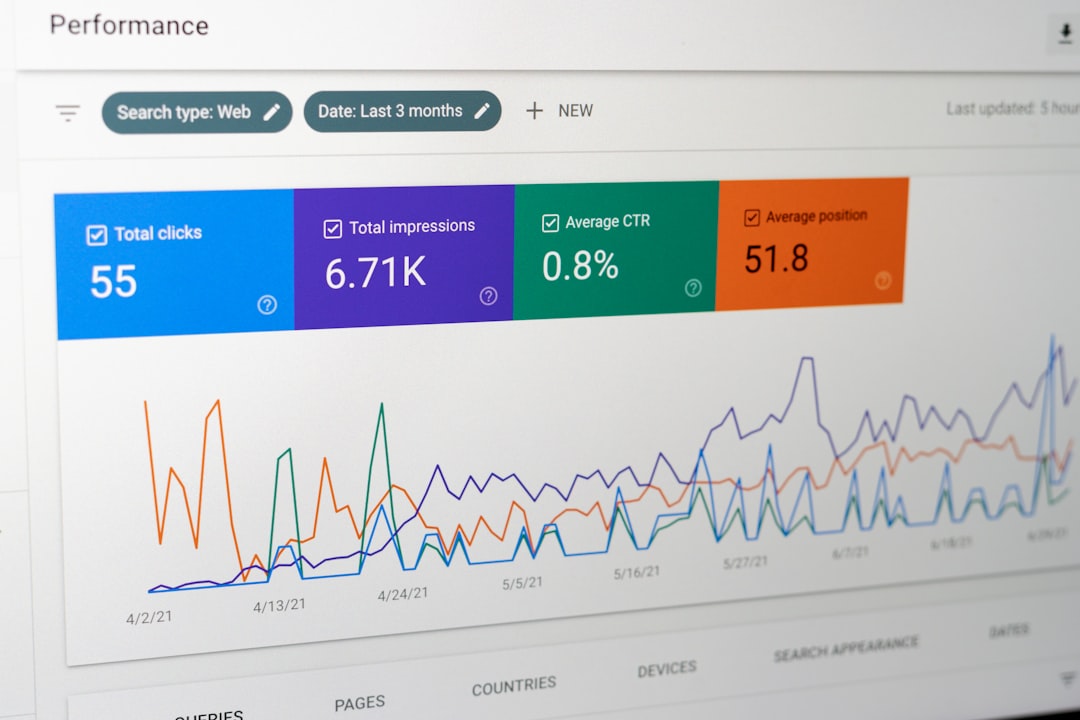
Traditional lead generation is reactive. AI-powered growth marketing uses predictive analytics to identify ‘high-intent’ clusters before they even enter a search query. By analyzing cross-channel signals and historical behavioral data, we build models that forecast Customer Lifetime Value (CLV) at the point of first contact. This allows brands to disproportionately allocate budget toward users with the highest propensity to convert, effectively lowering CAC (Customer Acquisition Cost) by up to 40%.
Hyper-Personalization at Scale
With the total phase-out of third-party cookies, growth in 2026 relies heavily on zero-party data. AI-driven systems now facilitate sophisticated quiz strategies to own customer data, allowing for a 1:1 marketing experience. Whether it is dynamic website content that changes based on a user’s previous interactions or AI-generated email sequences that adapt their tone based on sentiment analysis, the goal is to make every touchpoint feel bespoke.
Algorithmic Brand Equity
Search engines have evolved into Answer Engines. To maintain growth, your brand must be the ‘preferred source’ for AI Overviews. This requires a deep understanding of AI Overview Optimization (AIO). We focus on structured data, entity-based SEO, and semantic relevance to ensure your brand is the primary recommendation in generative search results.
Vertical-Specific AI Growth Strategies: Manufacturing, E-commerce, and Local Dominance
AI-powered growth marketing is not a one-size-fits-all solution. The application varies significantly depending on your industry’s digital maturity and target audience behavior in 2026.
AI for B2B Manufacturing
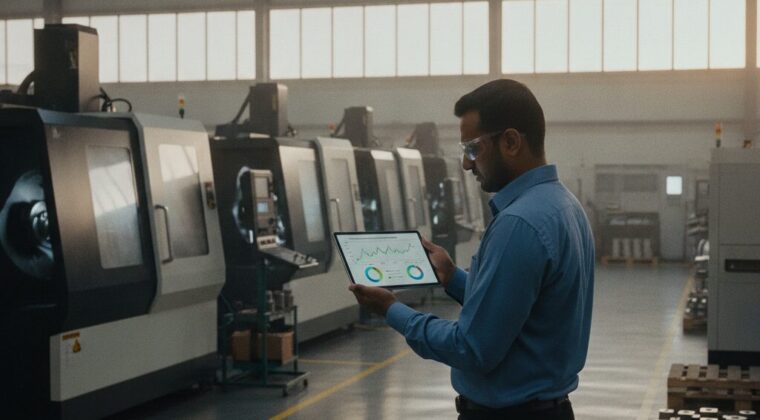
In the industrial sector, growth is driven by long-cycle trust. We utilize SEO for manufacturing companies that leverages AI to map complex technical jargon to buyer intent. By using AI to analyze RFPs and technical documentation, we create content that answers the specific engineering hurdles your clients face, positioning your firm as a technical authority rather than just a vendor.
The ONDC Revolution in E-commerce
For Indian e-commerce, the Open Network for Digital Commerce (ONDC) has changed the game. Growth marketing now involves optimizing for decentralized discovery. Using ONDC seller marketing automation tools, brands can synchronize pricing, inventory, and promotions across a vast network of buyer apps instantly, using AI to detect price elasticity and demand surges in real-time.
Hyper-Local Growth in Emerging Hubs
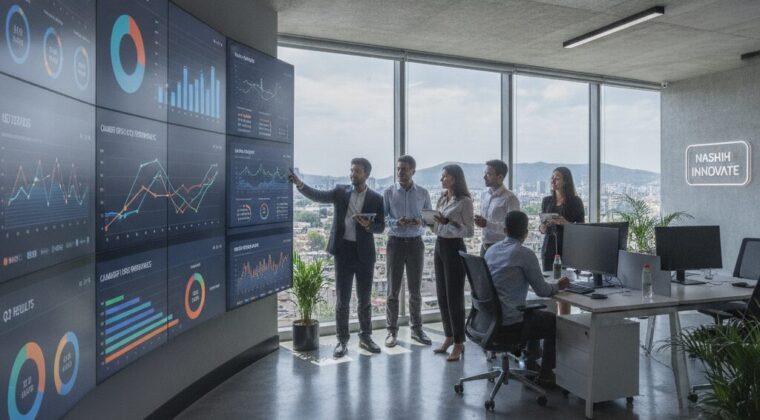
Growth isn’t just global; it’s hyper-local. In cities like Nashik, AI helps bridge the gap between traditional business values and digital scale. Our approach to digital marketing in Nashik involves using AI to analyze local search trends and linguistic nuances, ensuring that your brand resonates with the specific cultural context of the region while maintaining world-class technical standards.
The Technical Backbone: SGE, Multi-Modal Search, and Data Privacy
To win at AI-powered growth marketing in 2026, your technical infrastructure must be as smart as your creative strategy. This involves optimizing for the way modern users interact with the web—through voice, images, and generative dialogue.
Optimizing for Search Generative Experience (SGE)
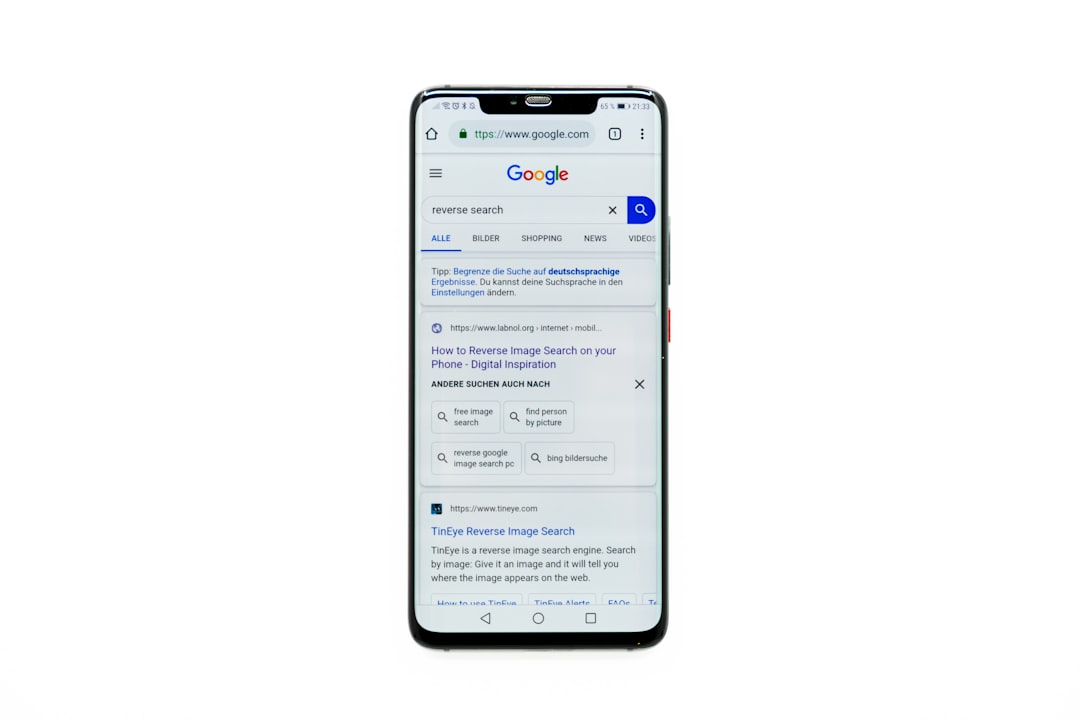
Google’s SGE has redefined the SERP. We no longer optimize for ‘blue links’ alone; we optimize for ‘citations’ within AI-generated responses. This involves a heavy focus on SGE optimization for Indian languages, ensuring that whether a user searches in English, Hindi, or Tamil, your brand remains the top authoritative result. This requires high-quality, fact-checked content that adheres to E-E-A-T principles more strictly than ever before.
Multi-Modal Growth Tactics
Users are increasingly using visual search to find products. A robust growth strategy includes optimizing your visual assets for Bing vs Google image search. AI helps us tag, categorize, and contextually place images so they appear in ‘Shop the Look’ features and visual discovery feeds, creating a seamless path from inspiration to purchase.
Ethics and Compliance in the AI Era
Growth at the expense of privacy is no longer sustainable. With new regulations like the ASCI rules for AI influencers, brands must be transparent about their use of synthetic media. We help brands navigate these ethical waters, ensuring that AI-driven growth is both compliant and consumer-centric, building long-term brand equity rather than short-term gains.
Frequently Asked Questions
What is AI-powered growth marketing?
AI-powered growth marketing is a data-driven approach that uses machine learning and artificial intelligence to automate and optimize customer acquisition, retention, and brand scaling. In 2026, it focuses on predictive analytics and real-time personalization to drive higher ROI than traditional methods.
How does AI improve marketing ROI in 2026?
AI improves ROI by significantly reducing wasted ad spend through predictive modeling and enhancing conversion rates via hyper-personalized user experiences. By automating repetitive tasks, it allows marketing teams to focus on high-level strategy and creative innovation.
What are the best tools for AI growth marketing?
The best tools in 2026 include autonomous ad managers, AI-driven CRM platforms like HubSpot with integrated LLMs, and specialized ONDC automation tools. These technologies work together to provide a unified view of the customer journey and execute optimizations instantly.