Breakdown of Google Marketing Live 2026. Discover new AI ad formats and the U-ROAS measurement framework for the 2026-2027 cycle. Scale your ROI today.
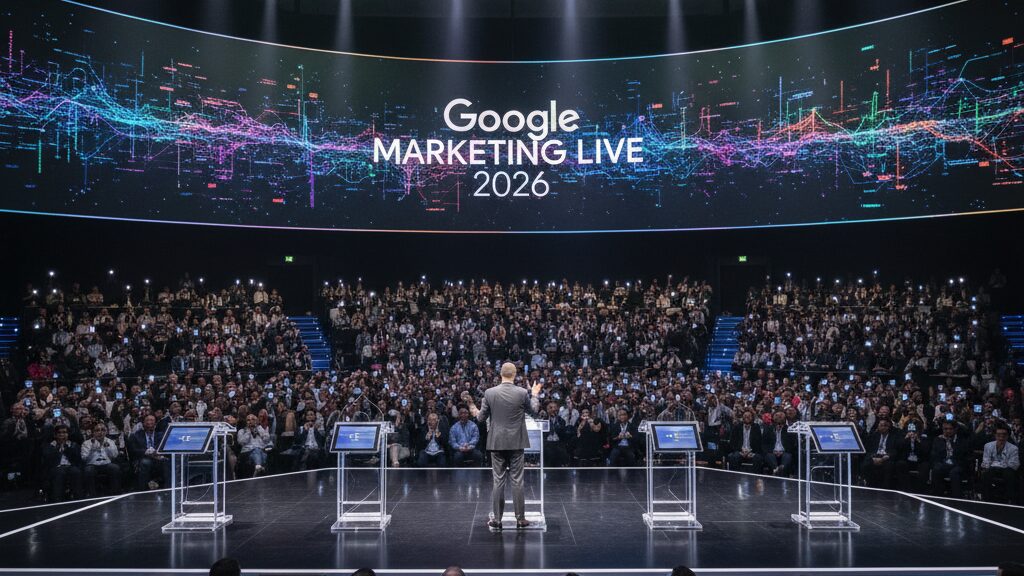
Google Marketing Live 2026 just wrapped up its keynote, and if you are still running ads like it is 2024, you are essentially burning cash. The era of manual keyword bidding is officially dead. This year, Google pivoted entirely toward what they call ‘Intent-Fluid Creative’ and a measurement framework that finally kills the cookie-dependency debate. For founders and SMBs, this is the shift from guessing to radical transparency.
At Infineural Technologies, we have watched the platform evolve, but the 2026-2027 cycle updates are different. They focus on automation that actually works for the bottom line rather than just inflating vanity metrics. If you want to scale your brand without the usual agency fluff, you need to understand how these new AI-driven ad formats will dictate your ROI for the next 18 months.
The Rise of Intent-Fluid Ad Formats in 2026
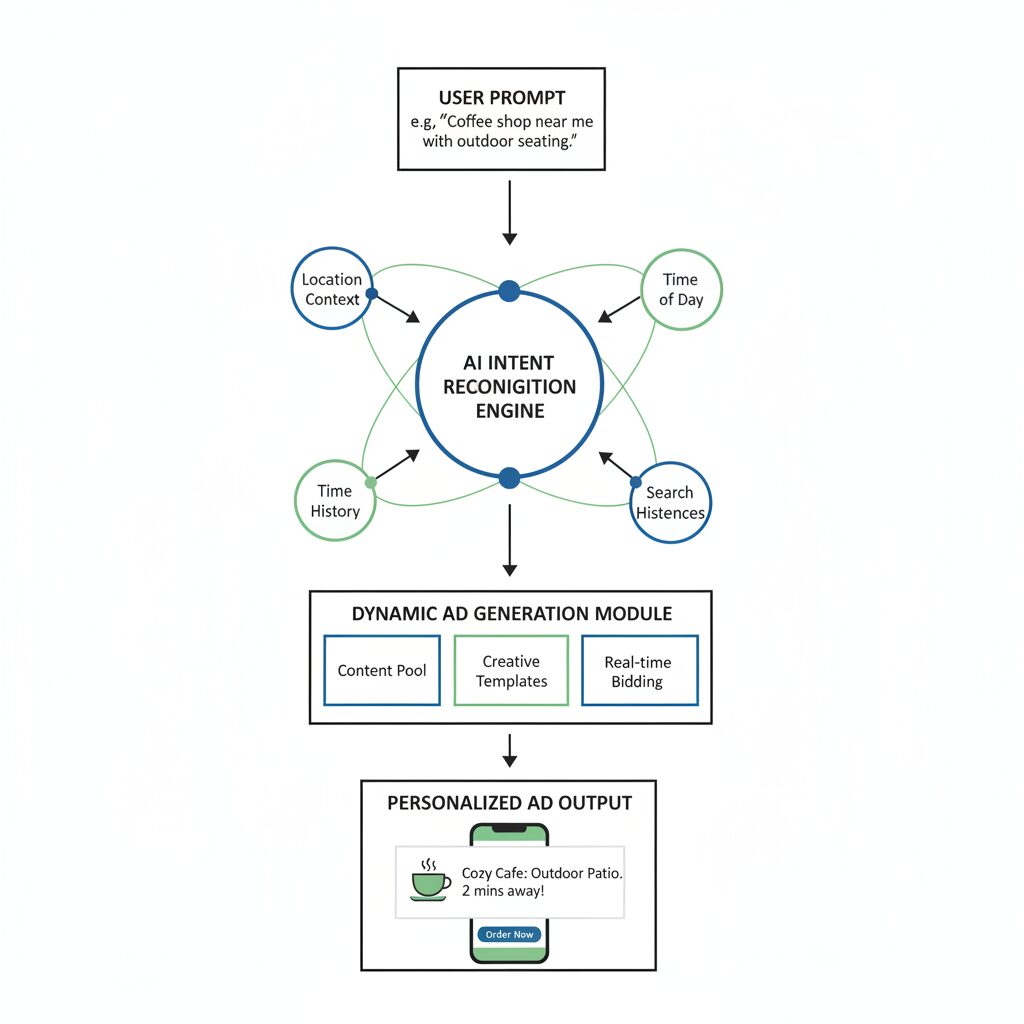
The biggest announcement at Google Marketing Live 2026 is the introduction of Intent-Fluid Ads. Unlike traditional responsive search ads, these units use the Gemini 2.0 Ultra model to rewrite headlines and descriptions in real-time based on the user’s specific conversational history with Google Search. It is not about matching a keyword anymore. It is about matching a mental state.
In our testing of early-access features, these formats saw a 22% increase in click-through rates compared to static assets. For a Nashik startup or a growing D2C brand, this means your ad copy adapts whether a user is in a ‘research’ mood or a ‘buy now’ mood. This aligns perfectly with our 2026 AI-powered growth marketing framework, where we move from manual controls to full campaign autonomy.
Predictive Attribution 2.0: The New Measurement Framework
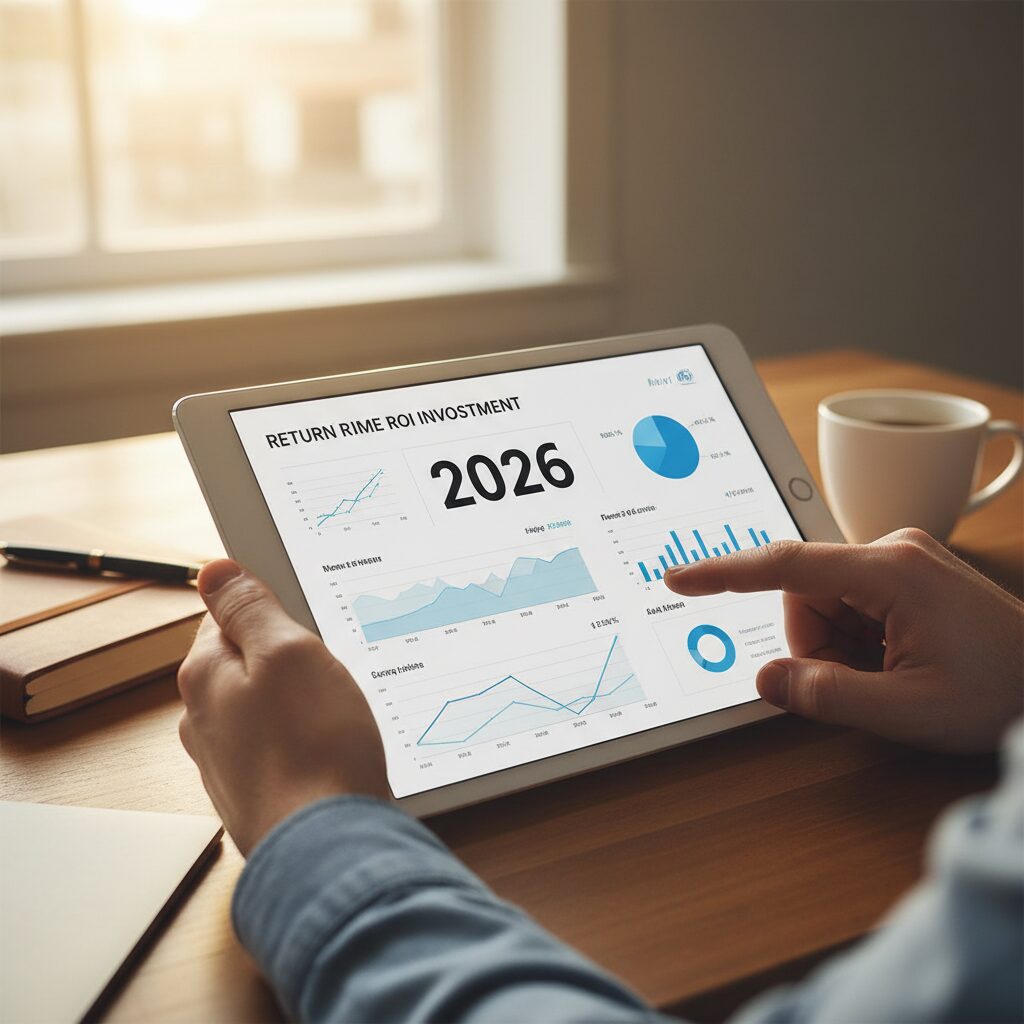
Google also debuted the ‘Unified ROAS’ (U-ROAS) framework. For years, marketers struggled with fragmented data across YouTube, Search, and the Display Network. The 2026 update integrates all these into a single live tracking dashboard. It uses synthetic modeling to fill the gaps left by privacy-first browsing, giving you a zero-waste PPC environment where every rupee is accounted for.
We see many businesses lose money because they cannot see which touchpoint actually closed the sale. This new framework ends that. By using a specialized Google Ads agency that understands these measurement shifts, you can stop the guesswork and start scaling based on hard data. According to Google (May 2026), early adopters of U-ROAS reported a 15% reduction in cost-per-acquisition within the first thirty days.
Live-Context Video Units for YouTube
YouTube is no longer just for brand awareness. The new Live-Context Video format allows AI to overlay real-time offers and localized information onto video ads. If a user in Nashik is watching a tech review, the ad can automatically show them your local store address or a specific currency-adjusted price in real-time. It is highly personalized and incredibly effective.
Look, the traditional agency model would take three weeks to design these variations. With AI-powered growth, it happens in three seconds. This is the ‘under one roof’ efficiency we talk about at Infineural. We eliminate the lag between a market shift and your ad response. You can learn more about how to stay visible in this new environment through generative engine optimization (GEO) strategies.
Google Marketing Live 2026 Implementation Roadmap
To win in the 2026-2027 cycle, you must audit your current tracking pixels immediately. The U-ROAS framework requires a server-side tagging setup to function correctly. If your tracking is broken, the AI will learn from bad data, and that is a fast way to go broke. We recommend a full technical audit before migrating to these new formats.
Next, focus on your ‘Seed Assets.’ The AI is only as good as the images and videos you feed it. High-quality, authentic brand photography is now the only way to stand out in a sea of AI-generated noise. This is where zero-waste PPC starts—with quality inputs that the algorithm can’t ignore.
Frequently Asked Questions
What is the most significant change from Google Marketing Live 2026?
The shift to Intent-Fluid Ads is the biggest change. These ads use real-time AI to rewrite copy based on user intent rather than just keywords.
How does the new 2026 measurement framework handle privacy?
It uses Predictive Attribution 2.0 and synthetic modeling. This allows for accurate tracking without violating user privacy or relying on third-party cookies.
Are traditional text ads being phased out in 2026?
They are not disappearing but are being absorbed into more dynamic formats. Google is prioritizing ads that can adapt to different surfaces like Search and SGE.
What is Unified ROAS (U-ROAS)?
It is a measurement framework that combines data from all Google-owned properties into one metric. This helps marketers see the true return on their multi-channel campaigns.
Can small businesses use these new AI ad formats?
Yes, these tools are designed to automate complex tasks. Small businesses can now compete with larger firms by using AI to handle optimization and creative testing.
Do I need to change my tracking setup for the 2026 updates?
Most likely, yes. The new frameworks work best with server-side tagging and enhanced conversions to ensure data radical transparency.
How does AI help with zero-waste PPC?
AI identifies low-performing placements and shifts budget in real-time. This ensures your ad spend is only used on high-intent users likely to convert.
When will the new 2026-2027 ad formats be available to everyone?
Rollout began during the May 2026 event. Most accounts will see these features appearing in their Google Ads dashboard by late Q3 2026.
This Google Marketing Live 2026, stop guessing and start scaling with Infineural Technologies. We provide the live tracking and AI-powered growth your business needs to dominate the 2026-2027 cycle. Get your free growth audit today—no hidden fees, just radical transparency.
Infineural is a digital marketing, development and hosting company based in Nashik, India, founded in 2018. It runs SEO, Google Ads, performance and WhatsApp marketing, builds custom WordPress sites, web apps and mobile apps, manages hosting, and makes Infineural CRM and WhatsInfi. Every engagement starts with a written scope and runs through a client dashboard showing the work log, billing and results.
- Search Engine & Generative Engine Optimization Specialists
- Google Ads Management & Performance Marketing Experts
- Advanced WordPress & Custom Web Application Developers
- B2B, D2C & Enterprise Conversion Rate Optimization (CRO) Leaders
- Digital Growth Partners for Hospitality, Healthcare, and Education