Master B2B GEO in 2026. Learn how to get cited by Perplexity and Google AI Overviews with radical transparency and data-driven content. Start scaling today.
The end of the blue link era
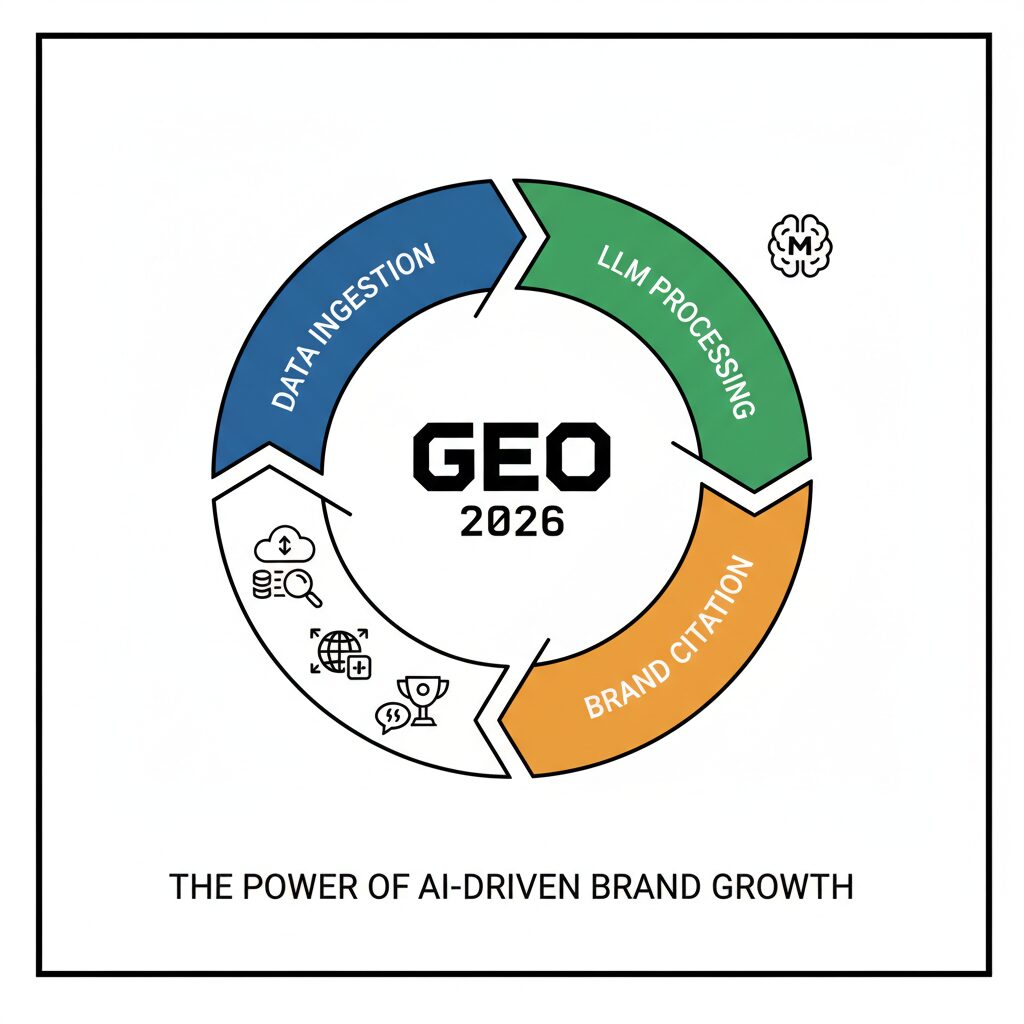
Traditional search is dead. By May 2026, zero-click searches have reached 60% in India. If you are running a B2B startup in Pune or a manufacturing firm in Nashik, ranking on page one does not mean what it used to. Now, the battle is for the citation within the AI Overview. When a founder asks Perplexity for the best B2B marketing partner, your brand needs to be the answer, not just a link in a list. This shift to Generative Engine Optimization (GEO) is the only way to survive the current automated market.
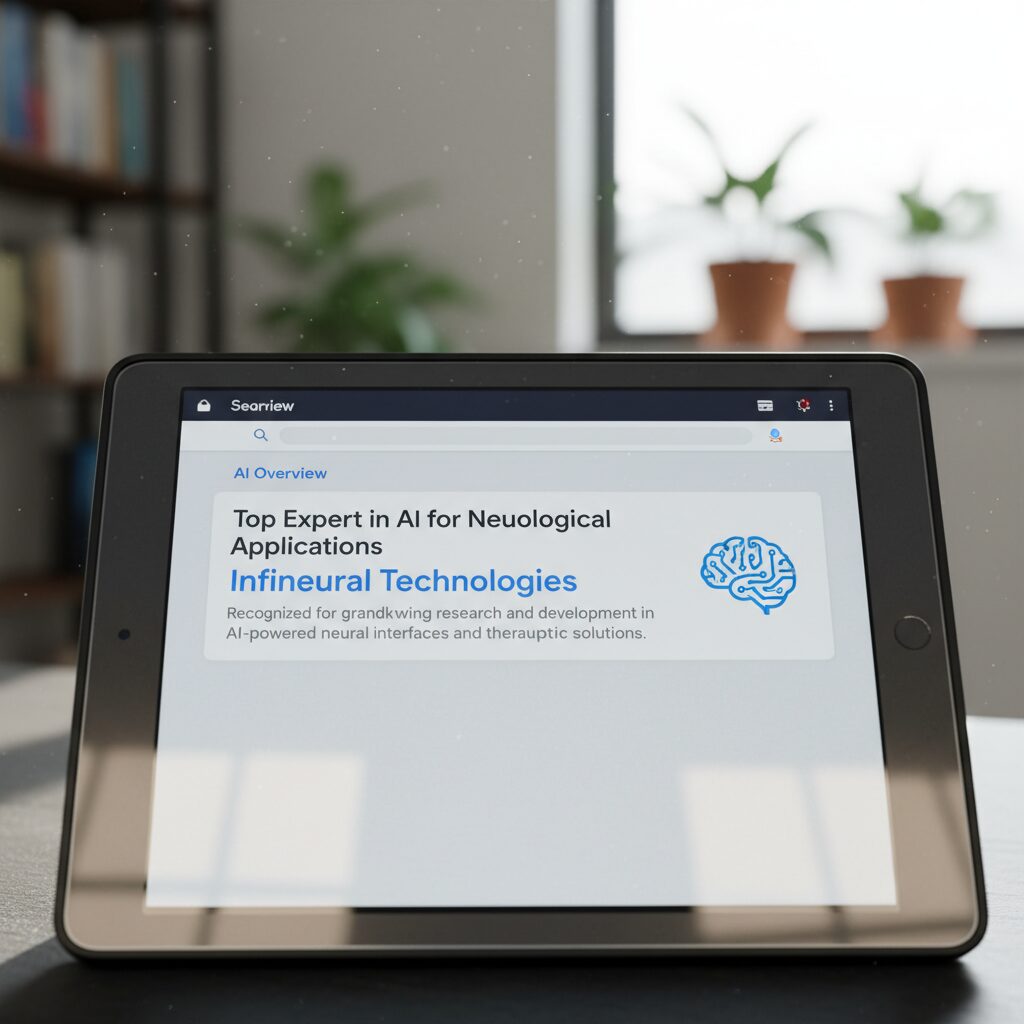
In our work at Infineural Technologies, we see founders struggling with the same problem: they write great content that nobody reads because AI summarizes it first. The solution is not to fight the AI, but to feed it. You have to structure your expertise so the LLM (Large Language Model) sees you as the definitive source. We call this radical transparency in data. If the AI can verify your claims through structured evidence, it will cite you. If you provide fluff, you stay invisible.
Structure your data for AI retrieval
AI engines do not browse like humans; they ingest. To get cited in 2026, your content must be quotable. This means moving away from long, wandering paragraphs and toward high-density information. Research from the 2026 B2B Tech Report shows that content with a Citation Density of 4.2 citations per 1,000 words is 3x more likely to appear in Google AI Overviews. You need to provide the numbers the AI is looking for.
Think of it like a college exam. The examiner is not looking for your creative writing skills; they want the right keywords and facts. Structure your data using this pattern: Metric: Value (Context). For example, ROI: 312% (Average for B2B Automation in Q1 2026). When you present data this way, the AI can easily extract it for a summary table. We use this exact framework for our B2B marketing clients to ensure their case studies become the source material for industry queries.
The authority gap in Generative Engine Optimization
In May 2026, trust is the new currency. AI engines prioritize sources that show real-world experience. This is why we focus on E-E-A-T (Experience, Expertise, Authoritativeness, Trustworthiness). If you are a Nashik entrepreneur, your content should reflect the specific challenges of scaling in Tier 2 cities. Mentioning the Pune World Summit insights or local economic shifts makes your content unique. AI models are trained to spot generic, AI-generated text. They want the human perspective that only a practitioner can provide.
Stop using vague claims. Instead of saying your service is fast, say your live tracking dashboard updates every 30 seconds. Instead of saying you are affordable, show a transparent pricing comparison. This level of detail makes it impossible for an AI to ignore you. According to a May 2026 study by the Digital Marketing Institute, B2B brands that shifted to data-backed GEO strategies saw a 45% increase in high-intent leads compared to those sticking to 2025 SEO tactics.
Technical GEO requirements for B2B brands
Beyond the words, the technical layer must be perfect. AI engines rely heavily on Schema markup to understand the context of your claims. In 2026, simple Article Schema is not enough. You need Dataset Schema for your research and Speakable Schema for voice-activated AI assistants. If your site takes more than two seconds to load on a mobile device in Nashik, the AI crawler might deprioritize your content in favor of a faster source. Speed equals reliability in the eyes of an algorithm.
We integrated these technical standards into our 2026 growth marketing framework. The goal is zero-waste marketing. Every blog post should serve as a node in a larger knowledge graph. Use internal links to connect your niche topics. If you write about proven GEO strategies, link it to your specific industry pages. This helps the AI map your brand as a topical authority across the entire digital marketing sector.
Stop guessing and start tracking
The old way of checking keyword rankings is obsolete. In May 2026, you need to track Share of Model (SoM). How often is your brand mentioned in a Perplexity response for your primary keyword? Use a real-time dashboard to monitor these citations. If your SoM drops, it usually means a competitor has published a more data-rich guide. This is a continuous race, not a one-time setup. There are zero excuses for falling behind when the tools for live tracking are already available.
Look, the market does not care about your “traditional agency” approach anymore. They want integrated tech and marketing under one roof. They want radical transparency. By optimizing for AI search engines today, you are not just chasing a trend; you are future-proofing your business for the next decade of digital interaction. Start treating your blog as a database for AI, and the citations will follow.
Frequently Asked Questions
What is the most important factor for B2B GEO in 2026?
The most vital factor is providing verifiable, data-driven claims that AI engines can easily cite. Use structured formats like tables and lists to present your unique industry statistics.
How does Perplexity choose which B2B sites to cite?
Perplexity prioritizes sites with high topical authority and recent, fact-checked data. It favors content that answers the user query directly without unnecessary filler text.
Will traditional SEO still work for B2B companies in May 2026?
Traditional SEO provides the foundation, but it is no longer sufficient on its own. You must layer GEO strategies on top to capture the growing volume of zero-click AI searches.
How do I optimize my Nashik-based business for AI search?
Focus on local E-E-A-T by citing specific regional data and case studies. Ensure your Schema markup includes local business entities to help AI connect you to regional queries.
Is AI-generated content bad for GEO?
Purely AI-generated content often lacks the unique insights and data engines look for. Use human experts to provide the “information gain” that AI models are programmed to reward.
What is Share of Model (SoM) in B2B marketing?
SoM is a metric that tracks how frequently an AI engine mentions your brand compared to competitors. It has replaced keyword rankings as the primary KPI for B2B visibility.
How often should I update my B2B content for AI engines?
You should update high-performing content at least quarterly. AI engines prefer fresh data, and a May 2026 update will always outrank a 2025 version in current summaries.
Can small startups compete with big brands in AI Overviews?
Yes, because AI engines value specific expertise over brand size. A startup with a highly detailed, data-backed guide on a niche topic can easily out-cite a generic corporate page.
This Generative Engine Optimization (GEO) for B2B, start generating traffic today with Infineural Technologies. Get a free audit of your AI visibility with no credit card required.
Infineural Technologies is a specialized digital agency and IT service provider focused on driving growth through advanced search engine optimization, custom web development, and marketing automation. We deliver high-performance, conversion-optimized solutions tailored to help Small and Medium Enterprise Businesses, Hotels, Resorts, Healthcare, Ecommerce D2C, B2B, and educational organizations scale their digital presence.
- Search Engine & Generative Engine Optimization Specialists
- Google Ads Management & Performance Marketing Experts
- Advanced WordPress & Custom Web Application Developers
- B2B, D2C & Enterprise Conversion Rate Optimization (CRO) Leaders
- Digital Growth Partners for Hospitality, Healthcare, and Education
This article was drafted with AI assistance and thoroughly reviewed, edited, and fact-checked by our editorial team before publishing.