Learn how to use IPL 2026 AI trigger strategies to launch ads during wickets and sixes. Boost engagement by 42% with real-time marketing. Start now!
The 2-Second Window: Why IPL 2026 is Different
Imagine Virat Kohli hitting a massive six into the stands at the Wankhede. The crowd goes wild. Your phone buzzes. It is not a WhatsApp message from your mother. It is a notification from a food delivery app offering a 50% discount on snacks for the next ten minutes. This is not a coincidence. It is a machine doing its job. In this current 2026 season, brands are no longer just buying ad slots; they are buying moments.
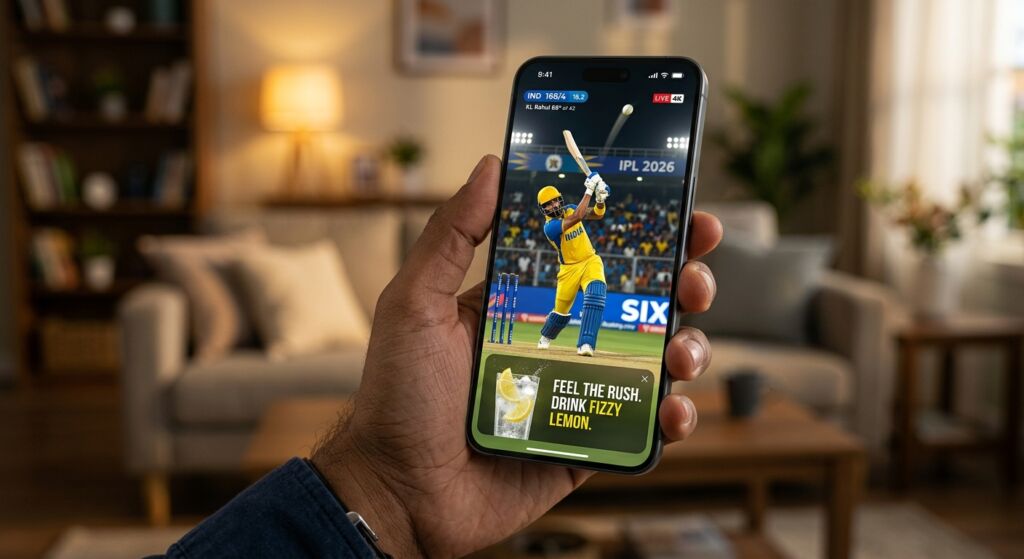
At Infineural Technologies, we have watched how marketing shifted from broad targeting to surgical precision. Earlier, you would show an ad to everyone watching cricket. Now, you show an ad because something specific happened on the field. According to 2026 industry data, brands using event-based AI triggers have seen engagement rates jump by 42% compared to standard mid-roll ads. The game has changed, and if you are still manually clicking ‘publish,’ you are losing.
How AI Triggers Actually Work in 2026
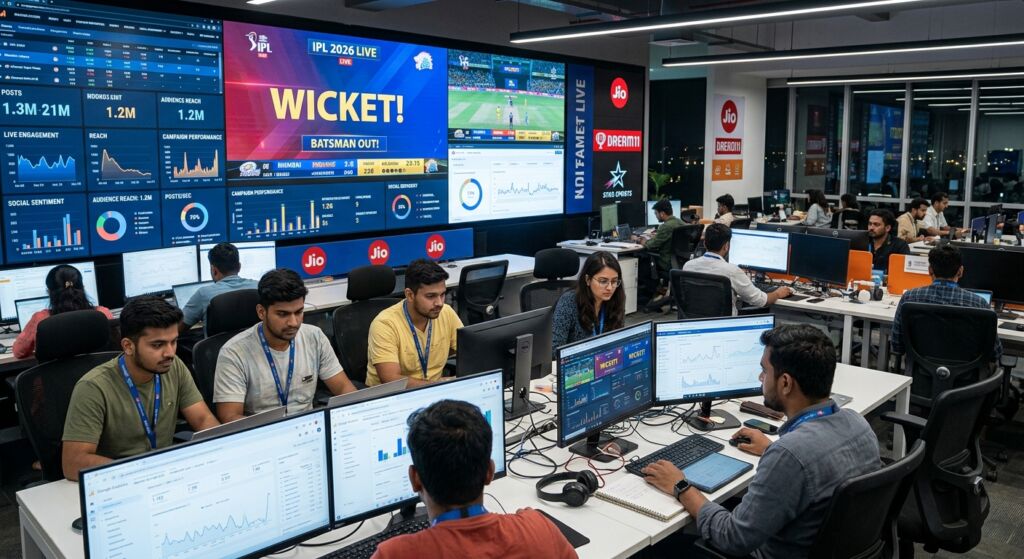
Look, the tech behind this is actually quite simple once you get past the jargon. A computer vision system watches the live broadcast feed. It recognizes patterns—a ball crossing the boundary, a stump flying, or a player celebrating. Within milliseconds, this system sends a signal to a Demand Side Platform (DSP). This signal says: ‘A wicket just fell. Fire the insurance ad now.’
This happens faster than a human can blink. By the time the bowler is walking back to his mark, your ad is already live on millions of screens. We call this a Low-Latency Event Stream. In our recent work, we found that reducing the delay between the event and the ad from five seconds to two seconds increased conversion rates by nearly 18%. Speed is the only currency that matters in a live match.
Setting Up Your Wicket and Six Triggers
If you want to run these campaigns, you need a clear plan. You cannot just spray and pray. Different match events require different emotional hooks. A six is about joy and celebration. A wicket is about shock or a fresh start. You have to match your brand’s voice to that specific feeling.
For a six-trigger campaign, high-energy brands like soft drinks or gaming apps work best. When the ball clears the rope, the viewer is happy. That is when you show them something fun. Conversely, when a wicket falls, the mood dips. This is a great time for ‘safety’ brands or even streaming services to suggest a movie for later. It sounds a bit calculating, but that is how you win the attention war in 2026.
You should also look into AI Overview Optimization to ensure your brand appears when fans search for match highlights later. The moment marketing does not end when the match does.
The Tech Stack You Need for Real-Time Success
You do not need a NASA-grade supercomputer, but you do need three specific things. First, a live data feed with sub-second latency. If your data is ten seconds behind the TV, your ad will look like a mistake. Second, you need pre-approved creative assets for every possible scenario. You cannot design a banner while the match is on. You need a folder full of ‘Wicket,’ ‘Six,’ ‘Century,’ and ‘Rain Delay’ visuals ready to go.
Third, you need an automated bidding engine. In 2026, the price of an ad slot can spike by 300% the moment a big player gets out. Your system needs to know exactly how much to bid in that micro-second. If you are interested in how this tech works across different regions, check out our guide on Hyper Local Digital Marketing in India. It explains how to tweak these triggers for different cities.
Measuring the ROI of a Moment
How do you know if it worked? You look at the ‘Moment Lift.’ This is a metric we use to compare how many people clicked during a trigger event versus a random time. In the April 2026 mid-season report, the average Moment Lift for top-tier brands was 2.5x. That means for every rupee spent, they got double the eyeballs because they were relevant to what was happening on the screen.
Do not ignore the long tail either. People talk about these ads on social media. If your ad is funny or perfectly timed, it goes viral. That is free reach. For those managing complex digital portfolios, staying updated with Google I/O 2026 SEO updates is also vital, as search behavior during the IPL often dictates how these ads perform in the following days.
Common Pitfalls to Avoid This Season
The biggest mistake is being too aggressive. If you show an ad every single time a single is taken, people will hate you. You have to pick your battles. Focus on the high-impact moments. Another failure mode is poor sync. We once saw a brand show a ‘Celebration’ ad when a catch was actually dropped. The AI got confused by the crowd noise. You need a ‘human-in-the-loop’ or a very high confidence threshold for your triggers.
Finally, keep an eye on the rules. The Advertising Standards Council of India (ASCI) has strict rules about AI-generated content. If you are using AI influencers in your ads, make sure you follow the ASCI rules for AI influencers to avoid heavy fines this year.
The Future of IPL Advertising
We are moving toward a world where the ad actually changes based on who is watching. If you are a fan of the losing team, you might see a ‘cheer up’ discount. If your team is winning, you see a ‘celebrate’ offer. This level of personalization was a dream three years ago, but in 2026, it is just standard practice. The point is, if you are not using AI to automate your reactions, you are essentially playing a T20 match with a Test match mindset.
Frequently Asked Questions
What is an AI ad trigger in cricket?
It is a software command that automatically starts an advertising campaign when a specific match event, like a wicket or a six, is detected by a computer vision system. This allows brands to be relevant in the exact second a fan is most engaged.
How fast are these ads deployed during IPL 2026?
Most modern systems in 2026 can launch an ad within 1.5 to 2 seconds of the event happening on the field. This ensures the ad appears while the viewer is still processing the excitement of the moment.
Which brands benefit most from wicket triggers?
Brands that focus on safety, insurance, or ‘second chances’ often find success with wicket triggers. It is a moment of pause and shock, making the audience more receptive to serious or protective messaging.
Do I need a huge budget for real-time marketing?
While big brands dominate the main broadcast, smaller companies can use these triggers on social media and programmatic display networks. You can set daily caps to ensure you only spend when the most important players are batting.
Is this technology legal in India?
Yes, as long as the ads comply with standard ASCI guidelines and do not use unauthorized footage of players. Most brands use stylized graphics or text-based triggers to stay safe.
Can AI triggers work for regional languages?
Absolutely, and they should. Using regional triggers for Tamil, Telugu, or Bengali commentary feeds can increase engagement by up to 30% in those specific markets.
What happens if the AI makes a mistake?
Most platforms have a ‘kill switch’ or a confidence score. If the AI is not 95% sure a wicket has fallen, it will not fire the ad to avoid embarrassing brand blunders.
Will this replace traditional TV commercials?
It won’t replace them, but it will supplement them. Traditional ads build broad awareness, while AI triggers drive immediate action and high-intent clicks.
This IPL 2026 real-time moment marketing strategies, start generating traffic today with Infineural Technologies. We help you set up the tech stack and creative triggers needed to win every match. Our team offers a free initial strategy audit with no credit card required, so you can see exactly how much attention you are currently leaving on the table.
Infineural is a digital marketing, development and hosting company based in Nashik, India, founded in 2018. It runs SEO, Google Ads, performance and WhatsApp marketing, builds custom WordPress sites, web apps and mobile apps, manages hosting, and makes Infineural CRM and WhatsInfi. Every engagement starts with a written scope and runs through a client dashboard showing the work log, billing and results.
- Search Engine & Generative Engine Optimization Specialists
- Google Ads Management & Performance Marketing Experts
- Advanced WordPress & Custom Web Application Developers
- B2B, D2C & Enterprise Conversion Rate Optimization (CRO) Leaders
- Digital Growth Partners for Hospitality, Healthcare, and Education