The new reality of cricket advertising in 2026
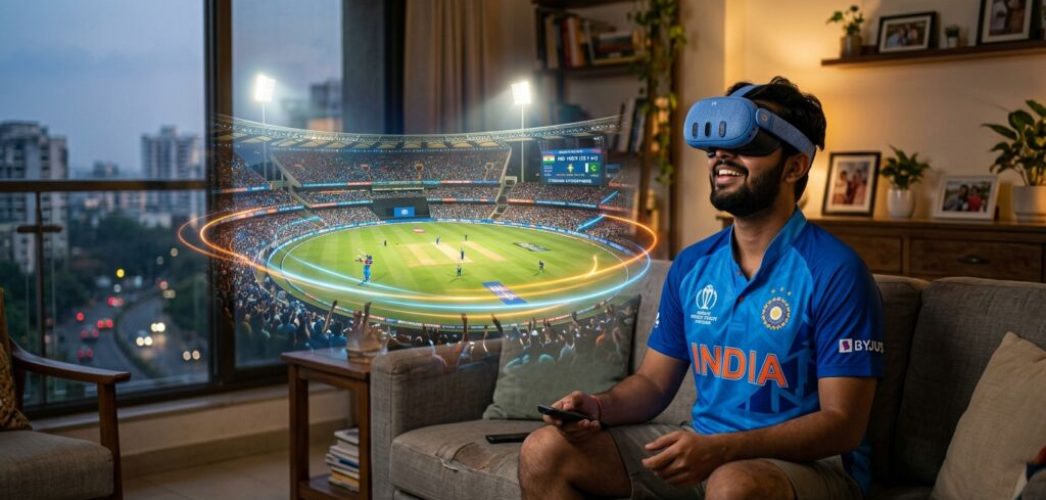
IPL 2026 has just finished its first week, and the numbers are staggering. We are seeing over 12 million fans attending matches not in physical stadiums, but through digital fan parks. This is where the real action is happening for marketers. If you think a 30-second TV spot still carries the same weight, you are living in 2020. Today, the game is about being inside the experience. Use virtual brand placements to put your product directly into the hands of a fan's avatar while they cheer for Mumbai or Kolkata.
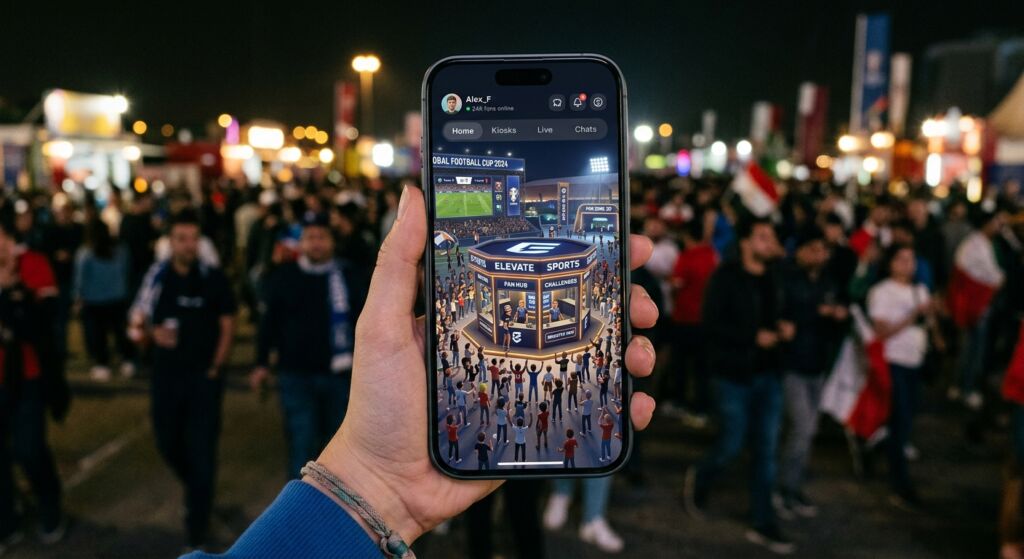
At Infineural Technologies, we have monitored this shift since the early beta tests of 2024. The current peak in digital viewership shows that fans want more than just a video feed. They want a community. When a user walks their digital avatar into a fan zone, they see billboards, branded lounges, and interactive kiosks. This is not just a trend; it is the primary way Gen Z and Gen Alpha are consuming sports right now. You have to be where the eyeballs are, and right now, those eyes are wearing VR headsets or staring at high-end mobile renders of virtual stadiums.
How virtual placements work in 2026 fan parks
Think of a digital fan park as a massive multiplayer online game, but the only goal is to celebrate cricket. In these spaces, your brand exists as a 3D object. It is not a flat banner. It is a digital jersey, a branded water bottle an avatar carries, or a giant floating 3D logo above the virtual pitch. According to a 2026 Industry Report by Digital Sports Media, interactive placements in the Metaverse have a 400% higher recall rate than traditional display ads. This happens because the fan interacts with the brand instead of just looking at it.
In our work, we find that the best results come from natural integration. If you are a beverage brand, you don't just put a sign up. You create a virtual cooling station where avatars go to recharge their energy levels after a long cheering session. This creates a positive association. It feels less like an ad and more like a feature of the world. To make this work, you need to understand hyper local digital marketing and how it applies to different fan bases across India. A fan in Chennai wants a different digital experience than a fan in Delhi.
Step 1: Choose your zone and placement type
Not all spots in the Metaverse are equal. The central plaza of a digital fan park gets the most foot traffic, but it is also the most expensive. You have three main options for placements in 2026. First, there are static 3D assets like billboards and storefronts. Second, there are wearable items for avatars, like branded caps or jerseys. Third, there are experiential zones like mini-games. In one campaign we managed last month, a retail brand saw a 22% increase in real-world coupon redemptions after giving away virtual hoodies in the RCB fan zone.
You should also consider the technical side. Most IPL fan parks in 2026 are built on Unreal Engine 5 or proprietary stacks from major broadcasters. Your assets need to be optimized. A heavy 3D model will lag the user's experience. If you ruin the frame rate, you ruin your brand image. Keep it light, keep it fast, and keep it visually consistent with the park's art style. If you are targeting international viewers, remember that search engines in China and other regions have different rules for how digital assets are indexed and promoted.
Step 2: Create interactive value for the fan
In 2026, passive advertising is dead. If a fan can't touch it, they won't care. Create a quest. Tell the fan that if they visit your branded kiosk and answer three trivia questions about the current match, they win a limited edition digital collectible. These collectibles, often stored as secure digital assets, can then be traded or used to get discounts on your website. This is how you bridge the gap between a virtual park and a real-world sale.
We saw a tech brand use this strategy during the opening match of the 2026 season. They set up a virtual "Speed Challenge" where fans could test their digital bowling speed. The winners received a discount code for a new smartphone. The engagement rate was 65% higher than their standard social media ads. It works because it respects the fan's time. They are there to have fun. If your brand helps them have more fun, you win. This is a core part of AI overview optimization—making sure your brand is the first answer when users ask where the best virtual events are happening.
Step 3: Track the right data points
Traditional metrics like impressions don't tell the full story in the Metaverse. You need to look at dwell time and interaction rates. How long did an avatar stand near your placement? Did they click on the product to see more details? In 2026, we use heat maps of the virtual park to see where the crowd clusters during the strategic timeout. Usually, they head toward the social hubs. That is where you want your brand to be visible.
Be careful not to over-track. Privacy is a huge concern for fans in 2026. If you ask for too much data, they will leave. Stick to anonymous behavioral data. See what they do, not who they are. If you want to learn more about how users are protecting themselves, look at our guide on private search engines. The same principles of privacy apply to the Metaverse. Respect the fan, and they will trust your brand.
Managing the costs of virtual real estate
Buying space in an IPL 2026 digital fan park isn't cheap, but it is flexible. Unlike a physical billboard that stays up for a month, virtual spots can be bought for specific matches or even specific hours. If you are a food delivery app, you might only want to appear during the dinner break. This saves budget and ensures you are seen when the user is actually hungry. Prices in April 2026 range from ₹50,000 for a minor placement to over ₹25 lakhs for a title sponsorship of a major virtual zone.
Look for gaps in the market. Everyone wants the main stadium view. But the social lounges and the post-match talk zones are often overlooked. These areas have longer dwell times because fans are chatting and not just staring at the score. A well-placed virtual vending machine in a social lounge can get more meaningful engagement than a giant banner in the stadium. It is about being smart, not just being loud.
Integrating real-world commerce
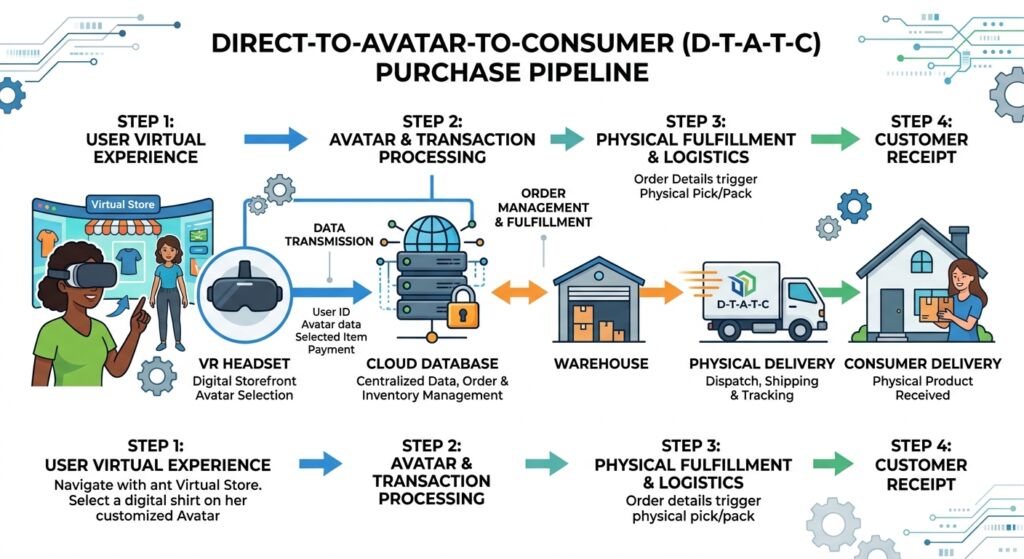
The ultimate goal is to sell products. In the 2026 Metaverse, we use "Direct-to-Avatar-to-Consumer" pipelines. A fan sees a pair of shoes in the fan park, tries them on their avatar, and with one click, the physical pair is ordered to their home address via an API link. This removes all friction. You are catching the customer at their highest point of emotional engagement—right after their team hits a winning six.
This requires a solid back-end setup. Your inventory system must talk to the Metaverse platform in real-time. If you run out of stock in the real world, the virtual placement should change to show a different product automatically. We call this dynamic asset switching. It prevents customer disappointment and ensures you are always promoting something that is actually available for purchase. For marketers, this is a part of maintaining digital wellness—automating the hard parts so you can focus on the creative strategy.
Common mistakes to avoid in virtual placements
The biggest mistake is making the brand look out of place. If the fan park has a futuristic, neon aesthetic, don't put a 1990s-style flat logo in the middle of it. It looks like a glitch. Your brand needs to look like it belongs in the year 2026. Another error is over-cluttering. If there are twenty brands in one small digital room, the fan will ignore all of them. Aim for exclusivity or high-quality isolation.
Lastly, don't forget the audio. The Metaverse is a 3D sound environment. If a fan walks past your virtual store, they should hear a subtle, branded soundscape or a greeting. But keep it quiet. Nobody wants to be yelled at by a digital advertisement while they are trying to listen to the commentary. Balance is everything.
FAQ about IPL 2026 Metaverse placements
What is a virtual brand placement in the IPL Metaverse?
It is a 3D digital advertisement or interactive object placed within a virtual fan park where users gather as avatars. These placements allow brands to engage with fans during live cricket matches in a digital environment.
How much does it cost to advertise in a 2026 digital fan park?
Costs vary based on the match and location, starting from ₹50,000 for small assets to several lakhs for premium zones. High-profile matches like the playoffs command much higher rates due to massive digital foot traffic.
Do fans actually interact with these virtual ads?
Yes, 2026 data shows that interactive quest-based ads have a 65% higher engagement rate than traditional banners. Fans are more likely to engage if the placement offers a digital reward or a fun mini-game.
Can I sell physical products through the Metaverse?
Absolutely, most 2026 platforms support direct integration with e-commerce APIs for instant purchasing. Fans can buy physical goods directly after interacting with the virtual version in the fan park.
What technical skills do I need to create a placement?
You need 3D modeling skills, usually in tools like Blender or Maya, and knowledge of game engines like Unreal Engine 5. Most brands partner with specialized agencies to ensure their assets are optimized for mobile and VR performance.
How do I measure the ROI of a virtual placement?
ROI is measured through dwell time, interaction counts, and direct click-throughs to e-commerce landing pages. Advanced heat maps also show how many avatars visited your zone compared to other areas in the park.
Are these placements visible on mobile phones?
Yes, the 2026 IPL Metaverse is cross-platform, meaning fans on mobile, tablets, and VR headsets all see the same placements. Mobile users represent the largest segment of the digital fan park audience.
Is the Metaverse only for big brands?
No, smaller brands can buy niche spots in regional fan zones or during less popular matches to save costs. The flexibility of digital real estate makes it accessible to various budget levels in 2026.
This IPL 2026 Metaverse Fan Zones season, start using virtual brand placements with Infineural Technologies to reach your audience where they play.